LDC Graduation: Opportunities and Challenges for Bhutan
Source: The Bhutan Journal
ABSTRACT
Bhutan is graduating from Least Developing Country (LDC) status in 2023. It was granted LDC status in 1971. Bhutan has maintained fair political stability, consistent economic growth, and improved social indicators in the last few decades. However, Bhutan’s graduation comes amid the worst economic blow by the COVID-19 pandemic. The pillars of growth have been shattered but the plan for graduation is unlikely to be extended. Bhutan has not met a few criteria under the Economic Vulnerability Index (EVI) while it has fulfilled other criteria. The graduation is expected to cause no major impact on Bhutan due to its economic reliance (in both grants and trade) on a single country (India). Bhutan has low volume trade with third countries. Yet sensible amount of grants, funds and market access will be lost that may challenge Bhutan’s continued economic growth and economic prosperity. This article investigates the process, progress, and challenges of the country after it attains the status of a developing nation.
Keywords: economic development, gross domestic product, poverty, social indicators
Introduction
The idea of categorising countries based on their economic strengths is not old. The term Least Developed Countries (LDCs) was coined in 1960s. The first list of 25 LDCs was prepared by the United Nations through its resolution 2768 (XXVI) on 18 November 1971. Bhutan was approved as a LDC by the Economic and Social Council and endorsed by United Nations General Assembly (UNGA) in November 1971[1]. The fourth conference on LDCs in 2011 adopted the Istanbul Programme of Action (IPoA) and resolved to half the then existing 49 LDCs in a decade (Ford, 2011). As of December 2020, there were still 46 countries in the category[2]. Only three countries graduated from LDC before the programme was designed[3].
The LDCs are defined by the United Nations systems as the most vulnerable members of the international community – having both low incomes and facing severe structural and physical impediments to their long term economic and social development[4].
Lack of productive capacity to overcome development challenges was one of the priority areas included in the IPoA (UN, 2011). The programme provided a window on the requirement of resources for LDCs to come out of their status. Since the conception of the LDC and so-called continued financial support, these countries have hardly made any progress. ‘The dominant development paradigm and the current international aid architecture, which overwhelmingly prioritise profits and markets have failed to address the development challenges faced by LDCs’[5].
Bhutan is set to move into the category of developing nations in 2023. The graduation comes with both greater opportunities and challenges. The country’s road to the club of developing nations was highly driven by its hydropower exploitation for fiscal revenues. The income from hydropower sales helped the country invest on human capital which led to significant improvements in service delivery and improvements in health and education sectors.
The country will face multiple post-graduation challenges for lack of diversity in its income sources – be it internal or external. The country has large current account deficits, high public debt, an underdeveloped private sector, and a high unemployment rate. The hydropower plants and other infrastructures of the country are vulnerable to natural disasters and climate-related risks.
We will look at the socio-economic progress Bhutan has made so far that enable the country to come out of the LDC status, challenges it will face when certain facilities for LDCs are stopped after graduation and recommendations for Bhutan to overcome those challenges.
Bhutan’s socio-economic progress
Growth in Gross Domestic Product
Fair stable politics helped Bhutan maintain a solid growth and macroeconomic stability for decades. Except on a few occasions, the country depressed the inflation to single digit, kept stable exchange rate[6], and accumulated international reserves. Poverty was reduced significantly and has improved gender equality.
Bhutan’s average Gross Domestic Product (GDP) growth since 1980s remains at 7.5% (Chart 1) making it one of the fastest growing economies in the world. Gross National Income (GNI) per capita, at $2,860 as of 2020, is almost three times the threshold for lower middle-income countries. The share of population living on less than $3.20 per day fell from 14.7% in 2012 to 12.2% in 2017 (The World Bank Group, April 2021). The country also made good progress in shared prosperity though the pace of progress slowed down in recent years.
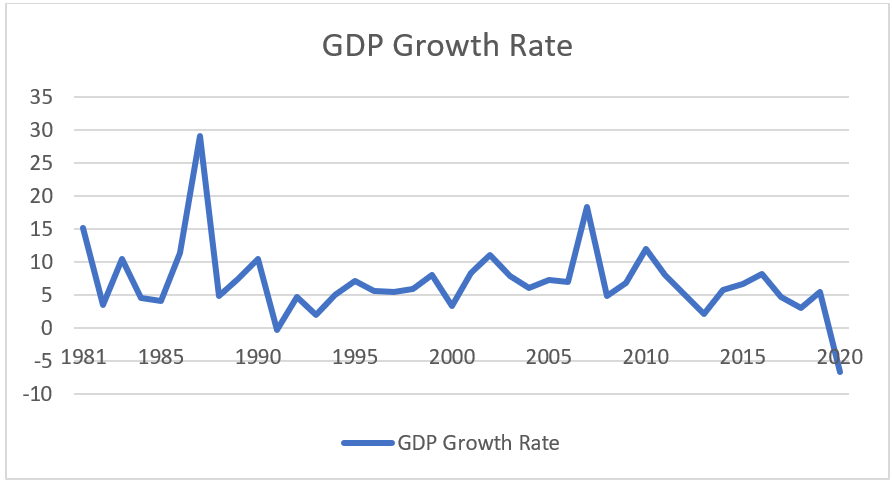
Chart 1: Bhutan’s historical GDP growth rate Data sources: World Bank Group, GNHC & National Statistics Bureau.
Bhutan’s economy is heavily dominated by hydropower and its economic relationship with India (Subba M. , Remittance inflow grows despite Covid-19, 2021). Lack of manufacturing industry means Bhutan heavily relies on India for daily consumable goods. Trade balance with India remains negative, though hugely subsided by electricity. Significant trade reliance and forex pegging with Indian currency means Bhutan’s inflation is influenced by inflation in India.
Developments in the hydropower sector contributed to a narrowing of the current account deficit. Increasing tourism numbers (Tourism Council of Bhutan, 2018) contributed to the growth of service exports. The current account deficit was primarily financed through capital inflows from India though the country has experienced significant growth in remittance from Europe, America, and Australia in recent years (Subba M. , Remittance inflow grows despite Covid-19, 2021). Foreign exchange reserves cover nearly 10.1 months of imports.
Except during COVID, Bhutan has maintained sustainable public finances with low fiscal deficit. In 2021, the deficit widened to 7.36% of GDP. Bhutan’s fiscal deficit in the previous three years hovered around 2 to 3% (Subba M. , Ailing economic indicators, 2021). Decreasing deficit was the result of revenue growth from reforms that increased the corporate income tax base and change of the valuation rules for sales tax on vehicles introduced in 2018.
The government debt is estimated at 120.8% of the GDP in 2020 (Ministry of Finance (RGOB), 2020) which is higher than expected. The debts are primarily borrowings from India for hydropower construction. It is considered sustainable due to a special financing arrangement with India, which guarantees a return on surplus power purchases.
Labour force participation rate has fallen from 65.7% in 2017 to 62.6% in 2018 and bounced back to 67.8% in 2020 (National Statistics Bureau, 2020). Agriculture contributes approximately 15% to GDP but accounts for roughly 50% of employment (National Statistics Bureau, 2020).
Bhutan’s path to graduation
A country’s graduation from LDC status is determined by three indicators – Gross National Income (GNI) per capita, Human Asset Index (HAI), and Economic Vulnerability Index (EVI) (United Nations, 2021). The LDCs are assessed on these indicators every three years by the UN’s Committee on Development Policy which reports to the Economic and Social Council. The council recommends to the United Nations General Assembly (UNGA) for approval for a country to graduate. The graduation is not by application but part of the UN procedure to measure the socio-economic progress of its member states.
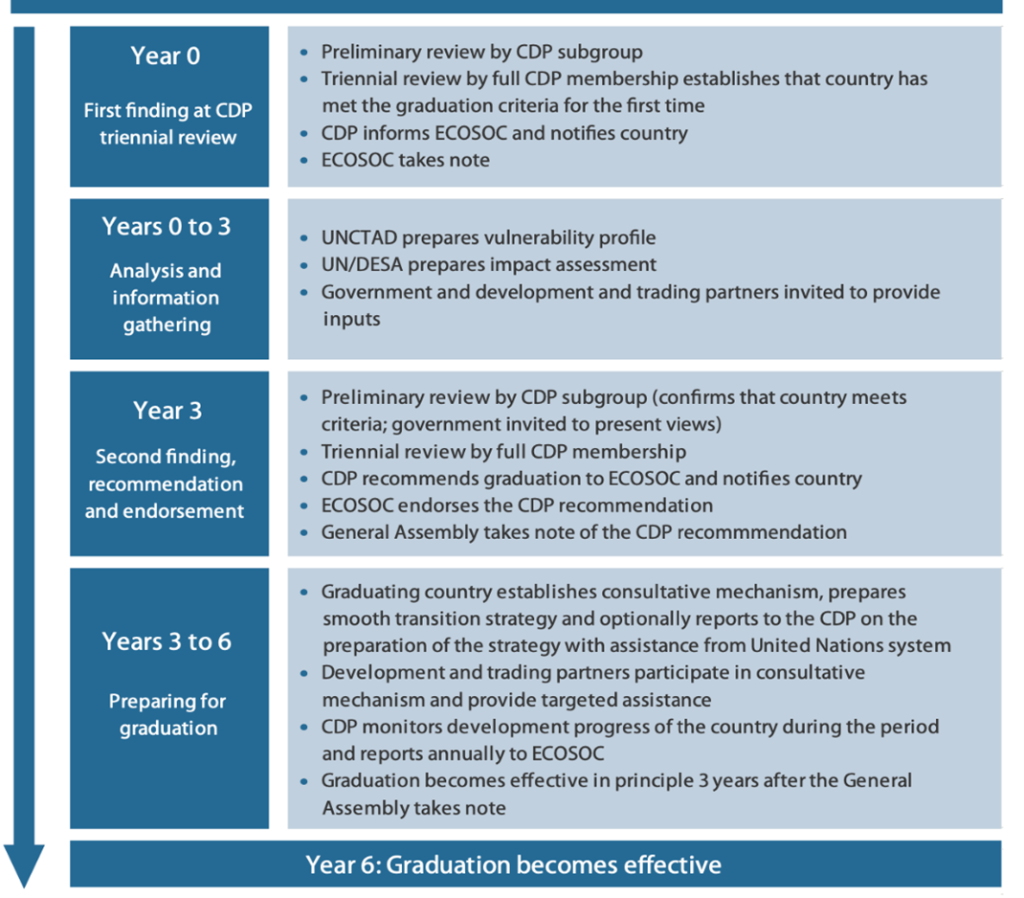
Chart 2 (Left): UN’s graduation pathway for LDCs (Source: UN)
Gross National Income
The GNI is the total amount of money earned by people and businesses in a country. GNI can be much higher than GDP if a country receives a large amount of foreign aid. But for a developed country, there’s hardly any difference – income received, and payments made to other countries might be close to equal.
For the graduation rule, the inclusion threshold is set at the three-year average of the level of GNI per capita, which the World Bank defines for identifying low-income countries. This is reviewed every three years. At 2021 review, this is set at $1,018. The graduation threshold is set at 20% above the inclusion threshold. At the 2021 review it is $1,222 and the income-only graduation threshold is twice the graduation threshold which has been set at $2,444 in 2021 review. According to the World Bank, Bhutan’s GNI per capital in 2020 was $2,860 – which is significantly higher than the threshold required for graduation.
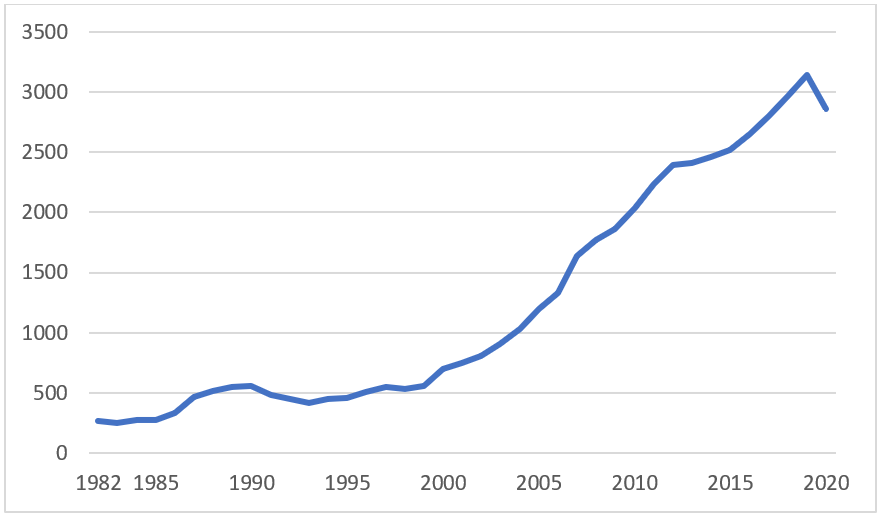
Table 1 (Right): Bhutan’s historical GNI (Source: World Bank)
Bhutan has made good progress in reducing the poverty rate. According to Asian Development Bank, the poverty rate in 2017 was 8.2%, based on the $3.20/day poverty line, down from 12% in 2012. Between 2004 and 2012, the country’s poverty rate reduced by 19.7%. In the last 13 years, poverty rate is reduced by 23.5%, with an average annual reduction rate of 1.8%. The portion of the population living in extreme poverty also saw a decrease from 5.9% in 2007 and 1.6% in 2017 (Wangchuk K. , 2018).
Despite the progress, there has been sharp widening of the income distribution disparity – economic inequality has widened. Inequality in Bhutan fell by around 6% in the period of 2007–2012 but rose by 1% during 2012–2017. Urban inequality experienced a consecutive fall by 2% in the period of 2007–2012 and almost 4% in the period of 2012–2017. The richest 20% who received almost nine times the income of the poorest 20% in 2007, fell to eight times in 2012 and then again rose to more than eight times in 2017 (Tobden, 2019).
Bhutan has progressed significantly on GNI criterion – almost doubled in the last decade. From a gap of 23.3% of the threshold in 2006, it exceeded the GNI graduation threshold in 2012 by over 42.8% and crossed the upper threshold in 2020. Bhutan’s GNI per capita is estimated at USD$2,982 in 2021, which is more than double the graduation threshold of USD$1,222. As such the triannual review in 2018 recommended Bhutan for graduation in 2021 but Bhutan sought deferral until 2023 (Gyem, 2018) in recognition of the work that needs to be continued and to prepare not only for graduation but also beyond graduation (BBS, 2018).
Human Assets Index
The HAI measurement is based on: (a) nutrition: percentage of population undernourished; (b) health: mortality rate for children aged five years or under; (c) education: the gross secondary school enrolment ratio; and (d) adult literacy rate.
Although still below the graduation threshold, Bhutan has made progress on human assets in recent years. The country’s HAI index has improved from 45 in 2000 to nearly 73 in 2018, driven mainly by an increase in gross secondary education enrolment.
Health indicators are not promising. According to the World Food Programme (WFP), Bhutan is facing the triple burden of malnutrition with co-existence of undernutrition, micronutrient deficiencies, and overnutrition. Over the years, the health and nutritional status of children has improved with wasting and underweight prevalence reduced to 4 and 9% respectively. However, overweight/obesity is emerging with 11.4% of Bhutanese obese and 33.5% overweight.
Micronutrient deficiencies remain a major public health issue. Anaemia, a proxy indicator for micronutrient deficiencies, is at 44% for 6-59 months old children. Over 35% of non-pregnant women and 31% of adolescent girls are anaemic. More than 1 in 5 preschool aged children and 17% of pregnant women are deficient in Vitamin A. Amongst school aged children (5-19 years), several outbreaks of Vitamin B deficiencies including peripheral neuropathy and glossitis have been reported over the years.
According to UNICEF, under-five mortality has dropped from 39.9 in 2011 to 28.5 in 2019 per 1000 live births. The figure is higher among male children (31) than female children (26).
Gross secondary school enrolment rates have all improved (67.25% in 2011 to 90.09% in 2018 – as per UNESCO). The school system requires parents to prove they have Bhutanese citizenship for children to be enrolled in any schools. And acquiring citizenship is almost impossible for migrants. Bhutan has quite a large resident population without citizenship. They include relatives of Bhutanese in exile. Further, Bhutan has a significant uncounted population born out of PchiruShelni (Night Hunting)[7] culture. The fathers of these children remain unknown. This leads to denial of education and citizenship to them. Parents who can afford to do so send these children to India for education. The country is unlikely to receive full enrolment until it resolves the citizenship issue, which also means Bhutan will have a challenge in reducing its adult illiteracy rate. Only 66% of the country’s citizens (aged 15 or over) are literate. Many of the illiterates include citizens in southern Bhutan where schools were closed for more than one and half decades – when the country evicted large number of southern Bhutanese.
Economic Vulnerability Index
The EVI comprise of (a) population size; (b) remoteness; (c) merchandise export concentration; (d) share of agriculture, forestry, and fisheries; (e) share of population in low elevated coastal zones; (f) instability of exports of goods and services; (g) victims of natural disasters; and (h) instability of agricultural production.
Despite improvements in EVI from 40 in 2000 to 36.3 in 2018, Bhutan has failed to meet the set criterion. The EVI criterion is designed to reflect the level of vulnerability and determine the extent to which a country would be affected by shocks. This is challenging for all LDCs.
With a population of slightly over 750,000[8] and a small economy, Bhutan is dependent on cross-border trade over its internal economic base. The trade to GDP ratio has worsened in the last decade – from 109.57 in 2009 to 84.36 in 2019. Despite the efforts and mission to make the country self-reliant, Bhutan has become more dependent. Hydropower dominates the trade industry, and this industry is severely vulnerable to hydrological risk[9]. Furthermore, Bhutan’s export is concentrated on hydropower exports to India (monopsony buyer) – any changes in the trade structure or political difference would severely hit Bhutan’s economy. Bhutan relies heavily on India for uninterrupted trade conducts. Bhutan has structural obstacles to trade due to its topography (mountain eco-system) and lack of direct access to sea route (landlocked).
Other industries, like agriculture, fisheries and forestry, are also exposed to geographical vulnerability and they affect GDP growth. Though share of these industries in GDP is in declining trend.
Glacial lake outburst floods, persistent landslides, frequent earthquakes, floods, forest fires, and windstorms are major natural disasters of concern. These natural disasters pose severe threat to the country’s hydropower sector. Climate change has further accelerated these risks.
Bhutan has persistent current account deficits since 2001 (Table 2). The deficits were results of Bhutan’s massive capital borrowing from India to facilitate hydropower plant constructions. Majority of the contractors and employees in these hydropower projects are Indians and required payments in Indian rupees or do exchange if salaries are paid in Bhutanese currencies. This situation, coupled with high import from India, created huge rupee shortages in recent years – reflecting instability of Bhutan’s exports and varying capacity to import goods and services from export earnings.
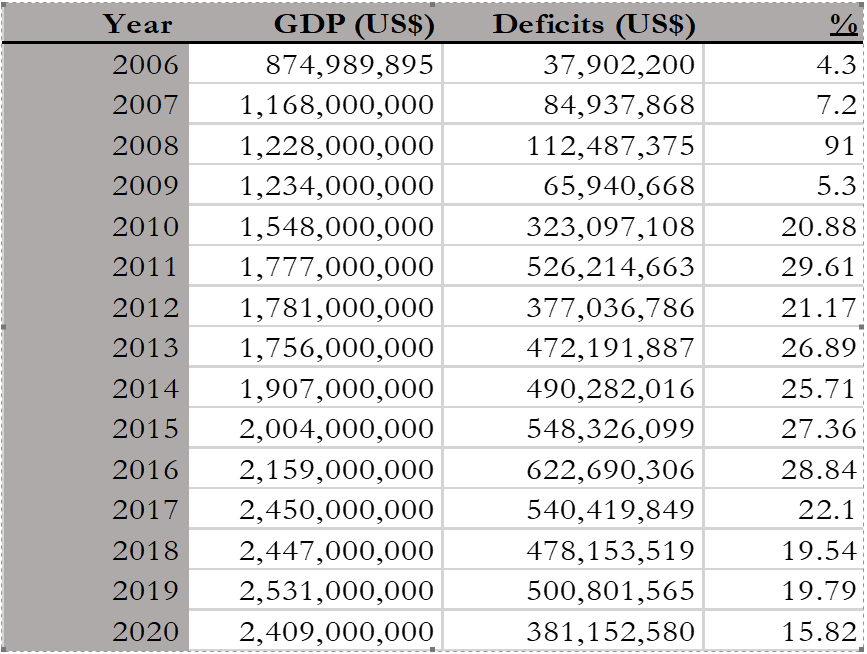
Table 2: Bhutan’s historical deficit rates Data: Multiple sources collected by author
Potential implications of LDC graduation
Erosion of preferential treatment in international trade
Developed and many developing countries provide preferential access for LDCs imports at zero or reduced tariff rates under the Generalised System of Preferences (GSP) and the Global System of Trade Preferences (GSTP). Regional trading agreement like the South Asian Free Trade Agreement (SAFTA) contains preferential market access provisions for their LDC members like Bhutan (South Asian Association for Regional Cooperations, 1993).
When a country graduates from the LDC category, it no longer receives benefits from LDC-specific international support system. The practical implications and significance of the change differs among countries. One of the main support measures for LDCs is preferential access to markets. Bhutan’s majority of the trade is with India and the two countries have bilateral free trade agreement, which would reduce the impact that Bhutanese trade will face on the loss of preferential market access. Bhutan will lose the benefit of less restrictive application of the rules of origin when it moves out of the LDCs group. This may impact the current Bhutanese vision of having a ‘brand Bhutan’ in global markets. Impact on Bhutan’s trades with other countries would be insignificant.
Bhutan’s major exports (as per Bhutan trade statistics 2020) include ferro-silicon, boulders, semi-finished products of iron and non-alloy steel, Portland cement, pebbles and gravels, gypsum, silicon-carbide, cardamom, and dolomite. Major export destinations for the country include India (77%), Bangladesh (19%), Nepal (1.7%), Italy (1%) and less than 1% go o the rest of the world.
Similarly, the country’s major imports include petroleum products and aviation fuel, rice, wood charcoal, motor vehicles, finished ferrous products, soft drinks, and soya bean oil. The 2020 statistics included higher proportion of aeroplane import which is not a regular phenomenon. Of the total imports, 77% was from India, 9.4% from France, 3% from China, 2% from Thailand and Singapore, and 1% from Germany.
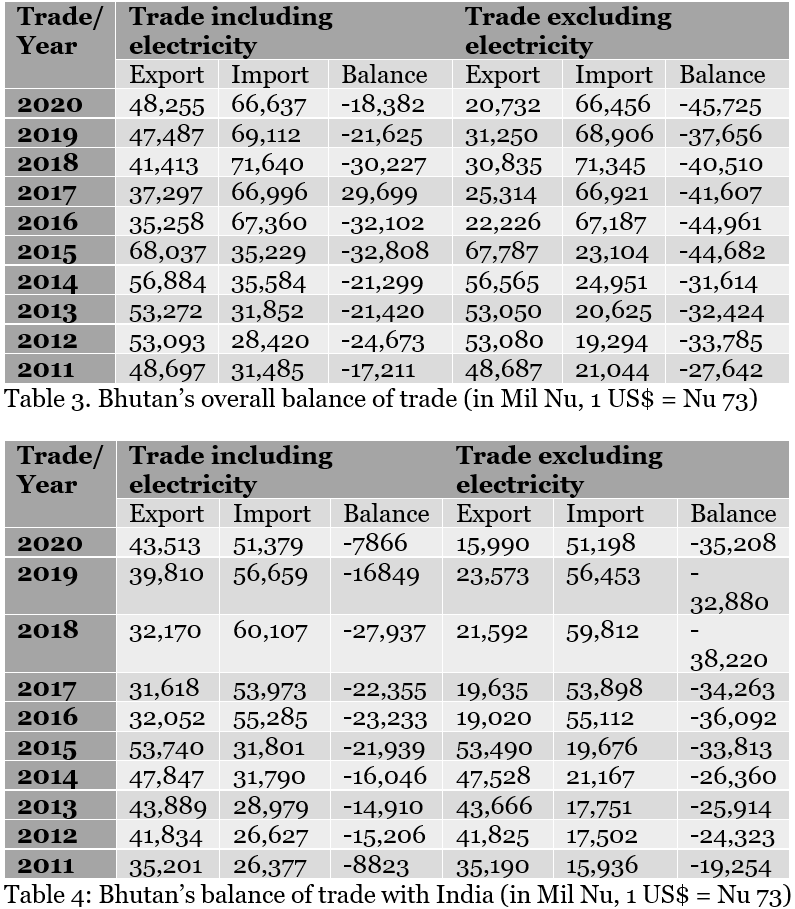
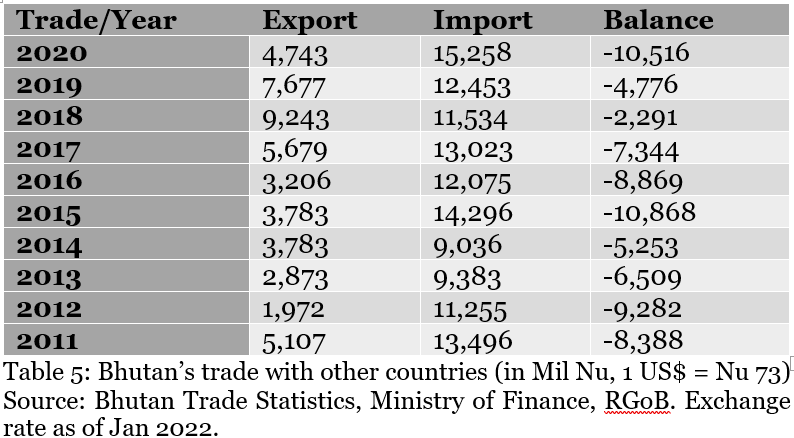
3.2 WTO accession issues
LDCs benefit from special provisions safeguarding of their interests in the World Trade Organisation (WTO), such as increased flexibility in rules and disciplines governing trade measures, and extension of longer transitional periods and provision of technical assistance. The most significant of these are lead-in periods of ten years on compliance with Trade Related Intellectual Property Rights (TRIPs) and Trade Related Investment Measures (TRIMs). The WTO also has guidelines for facilitating and accelerating negotiations with acceding LDCs, such as the exercise of restraint in seeking excessive concessions from acceding LDCs; the granting of transitional periods to enable acceding LDCs to implement commitments and obligations effectively; the provision of technical assistance by WTO member States in the accession process of an LDC; and the provision of technical assistance on accession procedures by the WTO Secretariat.
The graduation will mean Bhutan no longer benefits from these treatments in the fulfillment of WTO commitments. It will also lose LDC-specific support for the WTO accession process. Following graduation, Bhutan will have to meet restrictive requirements to receive WTO membership. Bhutan is yet to be a WTO member and is not actively seeking the membership, though has been recommended several times by experts to join the WTO (Subba B. , 2021). The latest two governments made no initiation towards assessing WTO membership due to concern over market liberalisation.
As a country prepares for graduation, Bhutan will need to factor this in its transition strategy. Bhutan will benefit from joining the WTO prior to graduation if the country intends to the join the organisation in the long run.
Development Cooperation
Bhutan is likely to lose some of the development cooperation from multilateral donors including the United Nations, such as reduced benefits from United Nations Capital Development Fund (UNCDF), WFP, United Nations Framework Convention on Climate Change (UNFCCC) Least Developed Countries Fund (LDCF) and the World Meteorological Organisation (WMO) as it graduates to developing nation.
Considering the importance of environment in Bhutan’s development framework and its high vulnerability to climate change, loss of support under the Global Environment Facility (GEF) and WMO is a concern.
The international community collectively provides several assistances to LDCs in developing trade capacity, financing climate change adaptation, and other areas. Once graduated from the group, the country no longer has access to these support mechanisms. However, development partners, more specifically the bilateral partners, do not base their assistance measures on LDC status.
Support measures in the area of bilateral development financing, technical cooperation, and other forms of assistance commonly involve voluntary commitments made by donor countries. Bilateral development agencies such as USAID, Swiss Development Agency, JICA, DANIDA and multilateral partners like ADB, IFC, World Bank will still be active in providing financial and technical assistance to Bhutan for its development needs.
Contributions to UN
LDCs benefit from discounts and maximum thresholds on their contributions to the budgets of the United Nations and United Nations systems. Budget contributions depend on a country’s income level and other factors, and in many cases, graduation has no impact on contributions as countries remain under the maximum threshold for LDCs.
Furthermore, contributions by LDCs to the regular budget of the United Nations are capped at 0.01% of the total United Nations budget irrespective of their GNI national income and a 90% discount is granted in their contributions to peacekeeping operations. From 2024 Bhutan will have to increase its contribution to the UN funds.
Ways forward for Bhutan
Staying focused on achieving SDGs
The Sustainable Development Goals (SDGs) are a global call to action to end poverty, protect the earth’s environment and climate, and ensure that people everywhere can enjoy peace and prosperity.
Bhutan is graduating without fulfilling all the criteria. The government has been championing the Gross National Happiness (GNH) as the core philosophy for sustainable and holistic development as an alternative approach to GDP. Its propagators claim the approach is not merely materialistic like GDP; – GNH is more about qualitative life improvement than quantitative economic expansion (Hartz-Karp, 2019). Many of the core indicators of the GNH align with the quality of life which correspond to most of the SDGs. However, the parameter of the SDGs are much wider than the GNH framework. For this ambitious development blueprint to unfold, a business-as-usual approach will simply not work (Smith, 2017). GNH approach may not be sufficient.
Bhutan has challenges to reducing hunger to zero, improving basic health indicators, attaining gender equality, supplying clean drinking water for all residents, building infrastructure, reducing economic inequality, and sustainably managing forests and natural resources.
Reduced financial support from donors and UN agencies after graduation means Bhutan will have difficult days to ensure these goals are attained within the deadline. Higher bilateral support and internal resources are required to attain these goals. The country must seek creative alternatives for financial sources without impacting the business environment with additional taxes.
4.2 Engaging trade and development partners
Bhutan’s major development partner remains to be India – even after graduation, as it has been historically (Bhonsale, 2020). The bilateral relationship originated before Bhutan was known to the world as a country. India’s assistance to Bhutan is not bound by any international conventions or treaties, nor is it allocated based on the economic progress Bhutan has made. Rather, India’s assistance is more for tightening the diplomatic relations between the two countries.
However, other bilateral assistance from donor countries and multilateral institutions are likely to be reduced. Bhutan must continue to engage its bilateral donors should it aim to received additional support for any development activities. Though costly, Bhutan may have to look for alternative sources such as ADB, World Bank, IMF, AIIB for any financial need.
Round Table Meeting (RTM) of the donors held in Thimphu on 2 September 2021 briefly discussed the challenges for Bhutan following the graduation. The Round Table Meeting (RTM) is the traditional method employed by Bhutan in boarding donors into confidence, yet such a brief meeting may not be adequate to present the plans and proposal seeking development assistance.
Further, the country has the opportunity to diversify its industries, besides hydropower. Trade diversification is the need, the country must seek additional market for its goods. One of the potential service industries that can prosper is call centres. India has been the closet example for Bhutan to learn about the industry.
Bhutan has not harnessed its medicinal herbs potential. Both India and China have huge markets for medicinal herbs that Bhutan can grasp. The country also has huge potentiality in raw or finished timber products, tourism, and minerals. Bhutan may want to invite investors to investigate these potentials that would help boost its trade beyond India.
Dealing with general development challenges
Bhutan has several other development challenges – from geographical, geological, social to economic. The mountain ecosystem is very fragile, and any form of infrastructure development requires extensive studies to ensure not harm is caused. And without adequate infrastructures, Bhutanese products are unlikely to find their buyers – within or outside the country.
Growing youth unemployment is a concern. Despite several initiatives to provide employment opportunities to young graduates, the issue has not seen a durable solution. Every year, approximately 20,000 young graduates enter into labour market. The Labour Force Survey 2020 estimated youth unemployment rate to be 22.6% in 2020 (National Statistics Bureau, 2020), almost doubled from previous year – 11.9% in 2019. The overall unemployment rate has increased to 5%, while it was estimated 2.7% in 2019 (Choden, 2021). The growth of hydropower sector has failed to create enough opportunities.
Access to finance for those willing to start new business is a serious constraint, including for the application process, location, and acceptable collateral. Banking and other financial services are limited to select urban centres. The government has not encouraged their extension to rural area. Micro enterprises in rural areas have to rely on high-cost informal lenders. The financial industry should look beyond real estate and machinery as collateral, such as accounts receivables and inventories for business loans, extend their services outside cities, and simplify application processes.
Bhutan also needs to ramp up efforts in improving technology that improves efficiency. The current manual culture to conduct business does not support quicker growth.
Developing a vibrant private sector
Public sector is the biggest employer of the country. Bhutan’s private sector has minimal contribution to national economic development plans. There are roughly 20,000 establishments employing around 90,000 people (Wangchuk D. , Enabling the Private Sector for Economic Well-being, 2021) constituting 29% of the total workforce. Over 97% of these establishments are shed vendors, single proprietors, or partnerships, and over 80% operate in the retail and wholesale trade, repair of vehicles, and the hospitality sectors (Wangchuk D. , Kuenselonline, 2020). In recent years, the tourism industry has seen significant improvements in providing employment opportunities (Chezom, 2020).
The IT Park in Thimphu (The Bhutanese, 2013) and ambitious Education City projects (Bhutan News Network, 2014) have severely failed due to inadequate private sector investments. Larger projects of this sort without commitments from investors will dilute investment climate in the country.
To enable private-sector firms to access essential skills, the government should provide vocational training to the adult population; adjust public-sector compensation and recruitment policies to improve the relative attractiveness of private-sector employment; and relax restrictions on the recruitment of skilled expatriates (Massimiliano Satini, 2017).
Attracting Foreign Direct Investment
The Foreign Direct Investment Policy 2019 stipulates diversification of economy[10] among others. The diversification mission to address the poor FDI flows. The FDI inflows averages less than $20 million annually since 2010. In 2016, it turned negative ($-13 million), recovering in 2017 at $10 million but fell to $5 million in 2018. Complex licencing and reporting process, share equity restriction, investment threshold, and difficulty in obtaining business investor visas are some of the hindrances to attract FDI. Bhutan has not improved its environment for foreigners to live and work in the country.
The country lacks infrastructure to meet expectations of foreign investors. The government systematically discourages FDI in southern districts where road networks are better. Agribusiness industry has potential for FDI but market access due to infrastructure constraints discourage foreign investors.
Conclusion
Six countries have so far graduated from LDC status[11]. There may be some learning for Bhutan from them, although these countries have more dissimilarities with Bhutan than similarities.
For Bhutan to continue with its current economic growth and improve the social indicators, it must invest or create climate for investments. The private sector must have easy access to finance to accelerate trade and create more employment opportunities. The financing application process requires simplification.
The country must accelerate its endeavour to access WTO membership before graduation. Process would be harder after 2023 and without access to WTO, Bhutan’s exploration of market beyond India is a herculean challenge. The international community’s willingness to connect Bhutan economically and socially has increased over the past few decades, So Bhutan should tap this opportunity for economic benefits.
The country must envision its income source beyond hydropower. Solar and nuclear have become cheaper energy sources compared to hydropower. Power hungry countries like India already have plans to generate nuclear and solar energy (Tagotra, 2020), in which case Bhutan’s hydropower will have no customers.
Other important task ahead for Bhutan is to open up the country for FDI by easing the application process, shared equity, and investment threshold. Removing the threshold will encourage smaller investors and their success stories will appeal the bigger investors. Bhutan cannot demand huge investment without proving it is profitable. The country also must address the difficult business visa process and allow skilled foreigners stay in the country for longer periods to monitor their investment rather than rely on their Bhutanese partners. Like other LDCs, Bhutan should prepare appropriate strategies and action plans and engage with their development cum trading partners for ensuring smooth integration into the global economy following their graduation (Ahmed, 2020).
Footnotes
[1] Bhutan was formally admitted to United Nations as member state on 21 September 1971.
[2] LDCs: Afghanistan, Angola, Bangladesh, Benin, Bhutan, Burkina Faso, Burundi, Cambodia, Central African Republic, Chad, Comoros, Democratic Republic of the Congo, Djibouti, Eritrea, Ethiopia, Gambia, Guinea, Guinea-Bissau, Haiti, Kiribati, Lao People’s Dem. Republic, Lesotho, Liberia, Madagascar, Malawi, Mali, Mauritania, Mozambique, Myanmar, Nepal, Niger, Rwanda, Sao Tome and Principe, Senegal, Sierra Leone, Solomon Islands, Somalia, South Sudan, Sudan, Timor-Leste, Togo, Tuvalu, Uganda, United Republic of Tanzania, Yemen, Zambia.
[3] Botswana graduated in December 1994, Cape Verde in December 2007 and Maldives in January 2011.
[4] 2010 Triennial Review Report of the Committee for Development Policy (CDP).
[5] Statement given by Dr Arjun Karki at a ministerial meeting of the Asia Pacific LDCs held in Kathmandu on 16-18 December 2014.
[6] The forex is pegged with Indian Rupee, and Bhutan has the biggest share of trade with India helping the stability in foreign exchange.
[7] Bhutanese laws require Bhutanese identity of both father and mother for children to obtain Bhutanese citizenship. Because the fathers of these children are unknown, they do not receive Bhutanese citizenship – unless directly ordered by King in the form of Kasho.
[8] Population projection for 2021 as per National Statistics Bureau, Bhutan
[9] For example, the case of South American country Venezuela, which concentrated its export of petroleum products. The country’s economy flourished while petroleum products fetched good prices in international market, but the country plunged into economic crisis when global oil market plummeted.
[10] https://www.moea.gov.bt/wp-content/uploads/2017/07/FDI-Policy-2019.pdf
[11] Botswana in 1994, Cape Verde in 2007, Maldives in 2011, Samoa in 2014, Equatorial Guinea in 2017, and Vanuatu in 2020.
References
Ahmed, H. (2020, December 9). The Financial Express. (International Publications Limited) Retrieved from https://www.thefinancialexpress.com.bd/views/challenges-for-graduating-ldcs-1607529391
Bhonsale, M. (2020, April 15). Bhutan’s 20-year economic development and transition to democracy: An assessment of India’s role. (Observer Research Foundation) Retrieved from https://www.orfonline.org/research/bhutans-20-year-economic-development-and-transition-to-democracy-an-assessment-of-indias-role-64630/
Bhutan News Network. (2014, February 23). Retrieved October 2021, from The Education City project scrapped!: http://www.bhutannewsnetwork.com/2014/02/the-education-city-project-scrapped/
Chezom, S. (2020, March 30). Bhutan Broadcasting Service. Retrieved from Tourism Council of Bhutan initiates employment support scheme for the tourism sector: http://www.bbs.bt/news/?p=130416
Choden, K. (2021, June 28). (Friedrich Naumann Foundation) Retrieved from freiheit.org: https://www.freiheit.org/south-asia/lessons-bhutan-bhutanese-economy-and-private-sector
Ford, M. T. (2011, May 6). Goal to halve number of LDCs in next 10 years. (The Guardian) Retrieved from https://www.theguardian.com/global-development/poverty-matters/2011/may/06/goal-halve-ldcs-10-years-conference
Gyem, P. (2018, August 17). BBS. (Bhutan Broadcasting Service Corporation) Retrieved from http://www.bbs.bt/news/?p=102105
Hartz-Karp, J. (2019, December 30). National progress, sustainability and higher goals: the case of Bhutan’s Gross National Happiness. Sustainable Earth, 2(11), https://doi.org/10.1186/s42055-019-0022-9.
Massimiliano Satini, T. T. (2017, September). Investment Climate Assessment of Bhutan. Retrieved from https://documents1.worldbank.org/curated/en/673381506689928071/pdf/120144-ICA-PUBLIC-P153221-Bhutan-Competitiveness-Policy-Note-Web.pdf
Ministry of Finance (RGOB). (2020). Public Debt Situation Report. Department of Macroeconomic Affairs. Thimphu: Debt Management Division.
National Statistics Bureau. (2020). Labour Force Survey Report Bhutan. Survey, Thimphu.
Smith, P. (2017, Summer). The Sustainable Development Goals: No More Business As Usual. The Druk Journal, 3(1), 6-14.
South Asian Association for Regional Cooperations. (1993, April 11). Retrieved from Agreement on South Asian Free Trade Area: https://commerce.gov.in/wp-content/uploads/2020/05/safta.pdf
Subba, B. (2021, July 26). Study recommends Bhutan’s accession to WTO Kuensel. Retrieved from https://kuenselonline.com/study-recommends-bhutans-accession-to-wto/
Subba, M. (2021, May 12). Ailing economic indicators. Kuensel Retrieved from https://kuenselonline.com/ailing-economic-indicators/
Subba, M. (2021, January 9). Remittance inflow grows despite Covid-19. Kuensel Retrieved from https://kuenselonline.com/remittance-inflow-grows-despite-covid-19/
Tagotra, N. (2020, September 9). India’s Ambitious Nuclear Power Plan – And What’s Getting in Its Way. The Diplomat. Retrieved from https://thediplomat.com/2020/09/indias-ambitious-nuclear-power-plan-and-whats-getting-in-its-way/
The Bhutanese. (2013, May 1). Editorial: The IT Park fiasco Retrieved from: https://thebhutanese.bt/the-it-park-fiasco/
The World Bank Group. (April 2021). Poverty & Equity Brief. South Asia. The World Bank. Retrieved from https://databank.worldbank.org/data/download/poverty/987B9C90-CB9F-4D93-AE8C-750588BF00QA/AM2020/Global_POVEQ_BTN.pdf
Tobden, T. (2019, September). Estimating the trends in inequality in Bhutan using the recent Living Standard Survey 2017: The importance of adjusting expenditure for household composition. Asia & the Pacific Policy Studies, 6(3).
Tourism Council of Bhutan. (2018). Bhutan Tourism Monitor 2018. Tourism Council of Bhutan, Thimphu.
- (2011). Report of the Fourth United Nations Conference on the Least Developed Countries Istanbul, Turkey, 9-13 May 2011. United Nations, New York.
United Nations. (2021). The least developed countries in the post-COVID world: Learning from 50 years of experience. New York: United Nations Conference on Trade and Development.
Wangchuk, D. (2020, June 6). Supporting private sector growth for our economic well-being. Kuensel. Retrieved from https://kuenselonline.com/supporting-private-sector-growth-for-our-economic-well-being/
Wangchuk, D. (2021). Enabling the Private Sector for Economic Well-being. The Druk Journal, 7(1), 79-89.
Wangchuk, K. (2018, August 24). Bhutan’s Unique Success in Reducing Poverty. The Diplomat. Retrieved from https://thediplomat.com/2018/08/bhutans-unique-success-in-reducing-poverty/